Lasem is a historic town on the northern coast of Java, known for its long history and remarkable cultural heritage. One of the traditions preserved by Lasem's Chinese community is Cio Ko, locally known as Sembahyang Rebutan. More than a religious ceremony, this tradition forms part of Lasem's cultural identity, which has developed through generations of interaction between different communities.
What Is the Cio Ko Tradition?
Cio Ko is a tradition dedicated to honouring ancestors and departed spirits. It is observed during the seventh month of the Chinese lunar calendar, a period associated with remembering those who have passed away and offering prayers for spirits who may no longer have families to honour them.
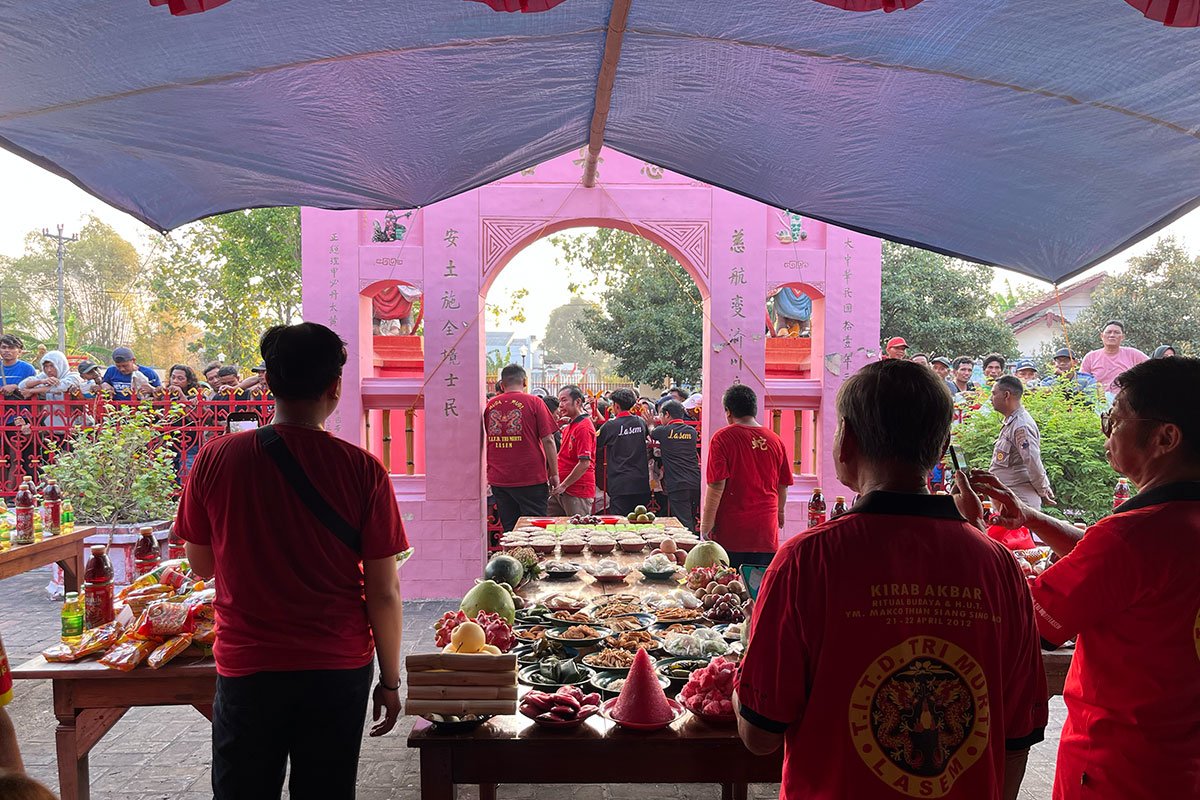
During the ceremony, participants prepare offerings such as food, beverages, fruit, rice, essential goods, incense, candles, and other ceremonial items. These offerings symbolise respect, filial devotion, compassion, and the hope that departed ancestors and spirits may find peace.
Why Is It Called “Sembahyang Rebutan”?
The Indonesian name Sembahyang Rebutan refers to the distribution of offerings after the prayer ceremony has concluded. Food and essential goods used during the ceremony are subsequently shared with members of the surrounding community. People gather to receive these items, creating the lively moment from which the name “rebutan” originates.
Behind this lively atmosphere lies a meaningful social message. Sharing the offerings reflects a commitment to caring for others, particularly people in need. Cio Ko therefore connects remembrance of the past with generosity and social responsibility in the present.