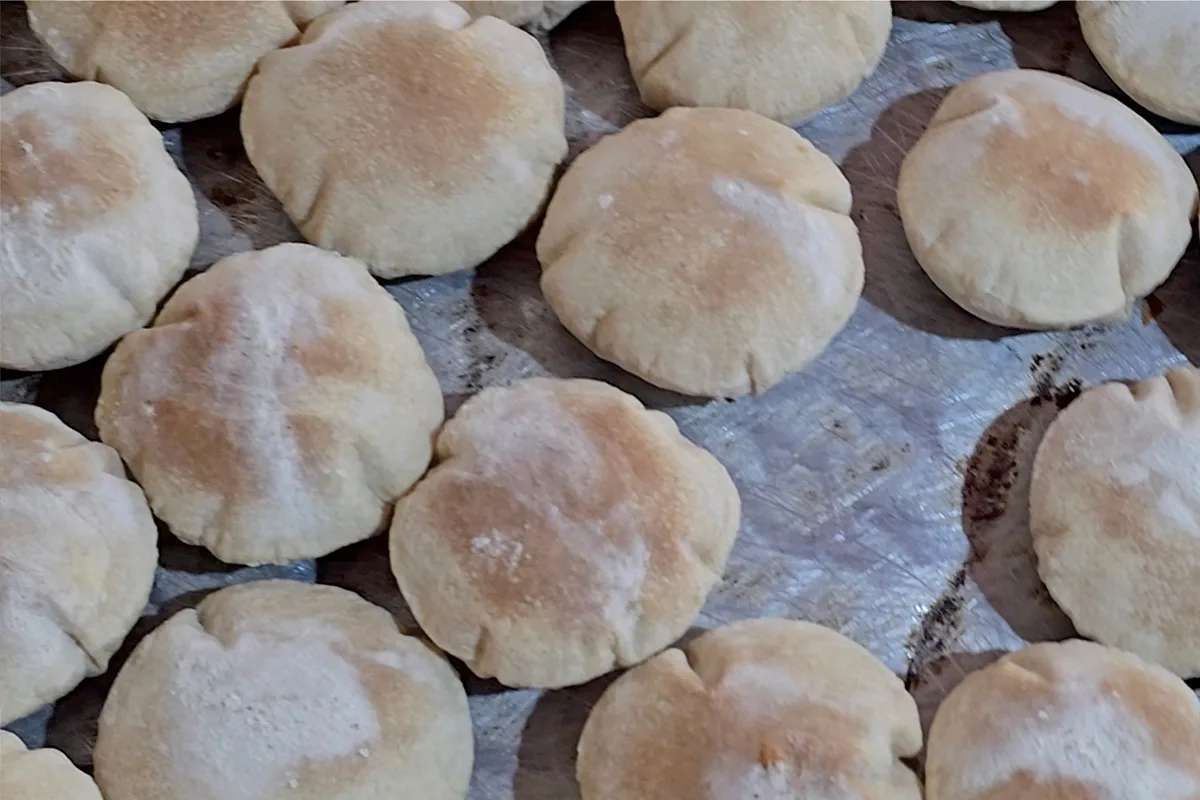
Kue Yopia is one of Lasem’s traditional delicacies and has been preserved for hundreds of years. This round, white pastry contains a sweet and rich filling of melted Javanese palm sugar.
The Yopia recipe has been passed down within the same family for generations. Today, the tradition has reached its fourth generation. The pastry represents not only the culinary heritage of Lasem but also the long history of interaction between its Chinese and Javanese communities.
A Traditional Pastry from Karangturi
The earliest tradition of making Kue Yopia in Lasem can be traced to Karangturi Village in Lasem District, Rembang Regency. The village forms part of Lasem’s historic Chinese quarter, an area filled with old houses, heritage buildings, and cultural traditions influenced by generations of Chinese-Indonesian residents.
Because of its distinctive history and cultural landscape, Lasem is often referred to as “Little China” on the northern coast of Java. Within this historical neighborhood, the tradition of making Yopia has continued from one generation to the next.
For many families in Lasem and Rembang, Kue Yopia is closely associated with Chinese New Year. Demand usually increases before the celebration, when residents serve it to their families and guests or purchase it as a traditional gift from Lasem.
The Culinary Legacy of Tan Tjiem Liang
The Yopia-making tradition in Karangturi is believed to have been started by Tan Tjiem Liang in the 1800s. He passed the recipe and production techniques on to his children, allowing the family tradition to continue.
The knowledge was eventually inherited by Toni Haryanto, a fourth-generation member of the family. Together with his mother and other family members, Toni continues producing Yopia so that the culinary tradition introduced by his ancestors can remain alive and be enjoyed by future generations.
For the family, the Yopia recipe is more than a set of cooking instructions. It represents their history, perseverance, and commitment to preserving Lasem’s culinary heritage through changing times.
A Blend of Chinese and Javanese Flavors
Kue Yopia is often regarded as an example of the culinary acculturation between Chinese and Javanese cultures in Lasem. The wheat-flour pastry reflects Chinese culinary influences, while its palm-sugar filling is closely associated with traditional Javanese ingredients and flavors.
The combination creates a pastry with a simple appearance but a distinctive taste. After baking, its outer layer becomes tender with a slightly crisp texture, while the palm sugar inside melts into a rich and sweet filling.
This combination distinguishes Yopia from many other Indonesian traditional snacks. Its flavor tells a broader story about two cultures that have lived and developed alongside each other in Lasem for centuries.
Production Begins Before Dawn
The process of making Kue Yopia commonly begins at around 2 a.m. The early hours are considered the best time to prepare the dough because the air remains cool. The lower temperature helps keep the dough in a suitable condition for shaping.
Production can continue until approximately 11 a.m., depending on the number of pastries being prepared that day.
The principal ingredients are relatively simple: wheat flour, vegetable oil, and Javanese palm sugar. Despite the short list of ingredients, experience and careful preparation are required to create the right balance between the pastry and its filling.
The flour and vegetable oil are mixed to create the outer dough. Palm sugar is then placed inside before each piece is carefully shaped into a round pastry and prepared for baking.
Traditionally Shaped by Hand
Most stages of making Kue Yopia are still completed by hand. Mixing and dividing the dough, adding the palm-sugar filling, and forming each pastry into its distinctive round shape all require manual skill.
Careful shaping is essential because each piece needs the correct size and thickness. If the outer layer is too thin, the melted sugar may leak during baking. If it is too thick, it can affect the texture and balance of the pastry.
The most significant change has taken place in the baking process. While traditional equipment was used in the past, Yopia makers now use ovens to achieve a more consistent result. This development allows the pastries to bake evenly while maintaining their original character.
A Lasem Souvenir Preserved Across Generations
Although Kue Yopia remains particularly popular during Chinese New Year, it can also be enjoyed throughout the year. Today, it has become one of Lasem’s distinctive culinary souvenirs and is sought after by visitors from many different regions.
Its simple shape, rich palm-sugar filling, and long family history give the pastry a special appeal. Each piece represents part of the Tan Tjiem Liang family’s journey and reflects the multicultural character of Lasem.
As modern food products continue to grow in popularity, Kue Yopia demonstrates the importance of preserving family recipes and traditional craftsmanship. The commitment of its makers has allowed this centuries-old culinary heritage to remain familiar and accessible to the present generation.
If you would like to observe the traditional process of making Kue Yopia, taste it in Karangturi, and explore Lasem’s historic Chinese quarter, you can join a local journey with Rumah Merah Heritage Lasem. After discovering the town’s culinary and cultural heritage, you can also stay at Rumah Merah Heritage Lasem and experience the atmosphere of a historic building in this culturally diverse destination.